
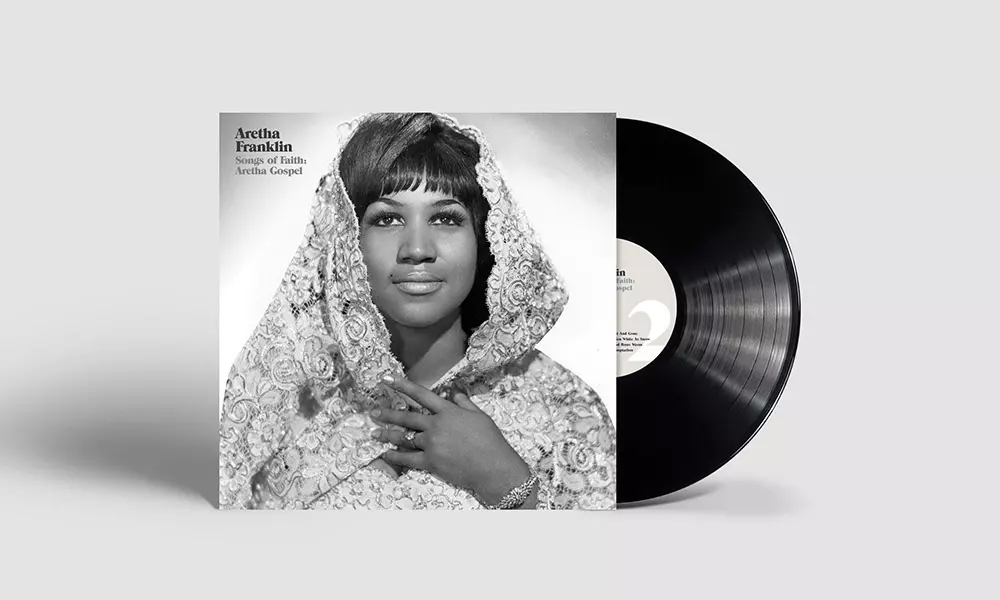

The History of Black Gospel Music
Black Gospel music is a genre of African American Christian music that has left an indelible impact on the shape of spiritual and inspirational music around the world. Its roots are deeply entrenched in the African American experience, reflecting a journey of triumph, sorrow, and the relentless pursuit of freedom and spiritual empowerment.
Slavery and Spirituals: The Early Beginnings
In the 17th and 18th centuries, enslaved Africans in America created a unique musical form now known as “spirituals.” These poignant songs were an amalgam of African rhythms and melodies with the Christian religious texts introduced to them in the New World. Spirituals provided a means of expression for the enslaved, a way to endure the hardships of slavery, and sometimes, a surreptitious tool for communication.
Spirituals paved the way for the emergence of Gospel music, carrying within them the seeds of resistance, hope, and the humanity of a dispossessed people. This music spread primarily through oral tradition, finding its central place of gathering and evolution within the Black church.
The Birth of Gospel in Chicago
Gospel music, as we know it today, began to take form in the early 20th century amid the Great Migration, when African Americans moved en masse from the South to cities like Chicago seeking better opportunities and fleeing the oppressive Jim Crow laws. In the urban setting of Chicago’s South Side, Gospel music began to blend with the new sounds of jazz and blues.
A pivotal figure in this formative period was Thomas A. Dorsey, often referred to as the “Father of Gospel Music.” After enduring the tragedy of losing his wife and children, Dorsey turned from blues to a new kind of Christian music that merged the religious fervor of spirituals with the modern urban styles. His most famous compositions include “Take My Hand, Precious Lord” and “Peace In The Valley.”
Gospel Music Roots
Gospel music roots can be traced back to the 1930’s in Chicago, but it’s roots grow deeper in the south in places like Georgia. In the early 17th century, African american slaves would gather in churches to give praise to God while covertly communicating messages while they also worked on plantations.
These hymns and sacred songs were repeated in a “call and response” fashion with hand clapping and foot stomping in a rhythmic fashion usually a capella. Call and response was a musical style where the lead singer shouts something then the congregation repeats it back.
Gospel Music Evolution
At the beginning of the 20th century, the evolution of gospel music propelled post emancipation and migration to northern cities like Chicago on the South Side (Bronzeville & Inglewood) neighborhoods. The former slaves continued to mingle music and faith while forming churches. A major pioneer to this evolution was Thomas Dorsey.
Godfather of Gospel: Thomas A Dorsey

Born in 1899 in Villa Rica, Ga.,Thomas Dorsey was a jazz musician and composer who penned 3000 early gospel songs including, “Take My Hand, Precious Lord” and “Peace In The Valley” to name a few. Son of a Baptist preacher, gospel music was not unfamiliar to this Christian version of Mozart who revolutionized spiritual hymns to the point where it was beyond the walls of the church.
Though he was from Georgia, it wasn’t until he moved to Chicago and became a proficient composer and arranger of Jazz alongside blues great Ma Rainey he earned his claim to fame. After the tragic event of losing his wife and kids, Dorsey dedicated his life to creating gospel music.
In 1931 he met Mahalia Jackson while she was touring Chicago churches during the Great Migration, finally an angelic voice paired with Dorsey’s songwriting and producing sounded heavenly.
Mahalia Jackson: Queen of Black Gospel
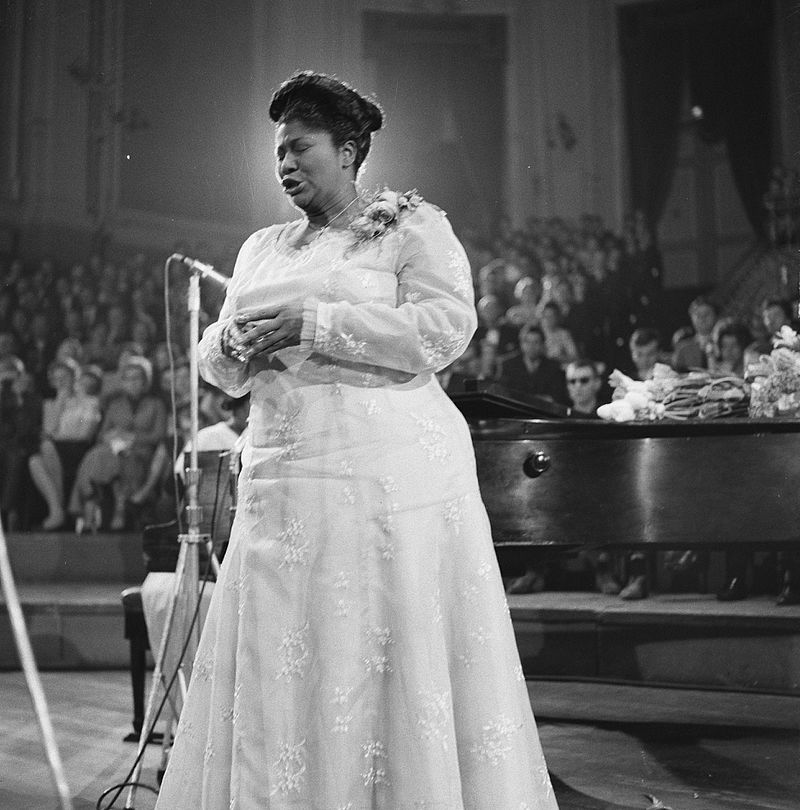
After teaming up with Dorsey, Mahalia Jackson would eventually earn the title the “Queen of Gospel” with her tone of voice which marvelled listeners to the point where the genre was taken seriously.
She became one of the most influential gospel singers in the world and was heralded internationally as a singer and civil rights activist. Dorsey trained and mentored Mahalia, Sallie Martin, James Clevekand, and a few others who all became the first generation of major gospel singers.
Gospel music today has emerged into a more urban contemporary sound since the 70’s with the Clarke Sisters and Andre Crouch crossing over into secular radio. This pattern continued with newer gospel artists like Yolanda Adams, Fred Hammond, & Kirk Franklin.
Now we have gospel hip hop/rappers like Gospel Ganstaz, Lacrea, & The Cross Movement. The artist Lacrea has dominated the charts in the top 200 Billboard charts a number of times under his co-founded label Reach Records in Atlanta.

Aretha Franklin Takes Gospel Mainstream
“IT WAS TIME FOR ME TO RETURN TO MY ROOTS AND MAKE A GOSPEL ALBUM”
Aretha Franklin
When Aretha said “took me back”, she really meant it. Amazing Grace, recorded and released in 1972, came a full 16 years after her debut record, a 10” featuring the gospel songs Never Grow Old and You Grow Closer. On that 1956 recording, she was billed as the “daughter of Rev CL Franklin, pastor of New Bethel Baptist Church, Detroit Michigan”. Aretha was only 14 when she recorded them, yet those gospel recordings are powerful, fulsome, evangelical – and they were recorded live in her father’s church. You can hear the congregation clearly on those tracks, almost as an instrument in itself.
By the time of Amazing Grace, Aretha was established as one of the world’s best soul singers – the voice of a generation. Since she signed to Atlantic Records in late 1966, album after album had sold well and proved critical as well as commercial successes. But the 70s were marching on, and Aretha felt the sands shift. Her record just prior to Amazing Grace, Young, Gifted And Black, had marked a tonal change. On it, Aretha embraced early-70s-style soul, with tenderness and restraint sitting alongside a funk flywheel in the shape of Rock Steady. Yet evolving in only one way wasn’t enough for Aretha.
Sources:
“Gospel History Timeline” University of Southern California
Jackson, Joyce Marie. “The changing nature of gospel music: A southern case study.” African American Review29.2
Thomas A. Dorsey. (2020, September 30). Retrieved from https://en.wikipedia.org/wiki/Thomas_A._Dorsey
“Aretha Franklin.” Wikipedia, Wikimedia Foundation, 12 Nov. 2020, en.wikipedia.org/wiki/Aretha_Franklin
“Gospel Music.” Wikipedia, Wikimedia Foundation, 12 Nov. 2020, en.wikipedia.org/wiki/Gospel_music
“The History of Gospel Music.” GospelChops, 5 Feb. 2020, gospelchops.com/the-history-of-gospel-music/



Leave a Reply