

This post explores ‘The Strong Tower’ from Proverbs 18:10, “The name of the Lord is a strong tower; the righteous run to it and are safe,” I will examine its meaning, historical context, contemporary relevance, and proper hermeneutic interpretations.

I. Proverbs 18:10: The Modern World’s Insecurity
Modern life is characterized by constant uncertainty, stress, and anxiety. The proverb offers a potential source of solace and security in this “tempestuous sea.” The text aims to unpack its meaning, historical roots, contemporary resonance, interpretational debates, and future relevance.

II. Proverbs 18:10: Understanding The Proverb
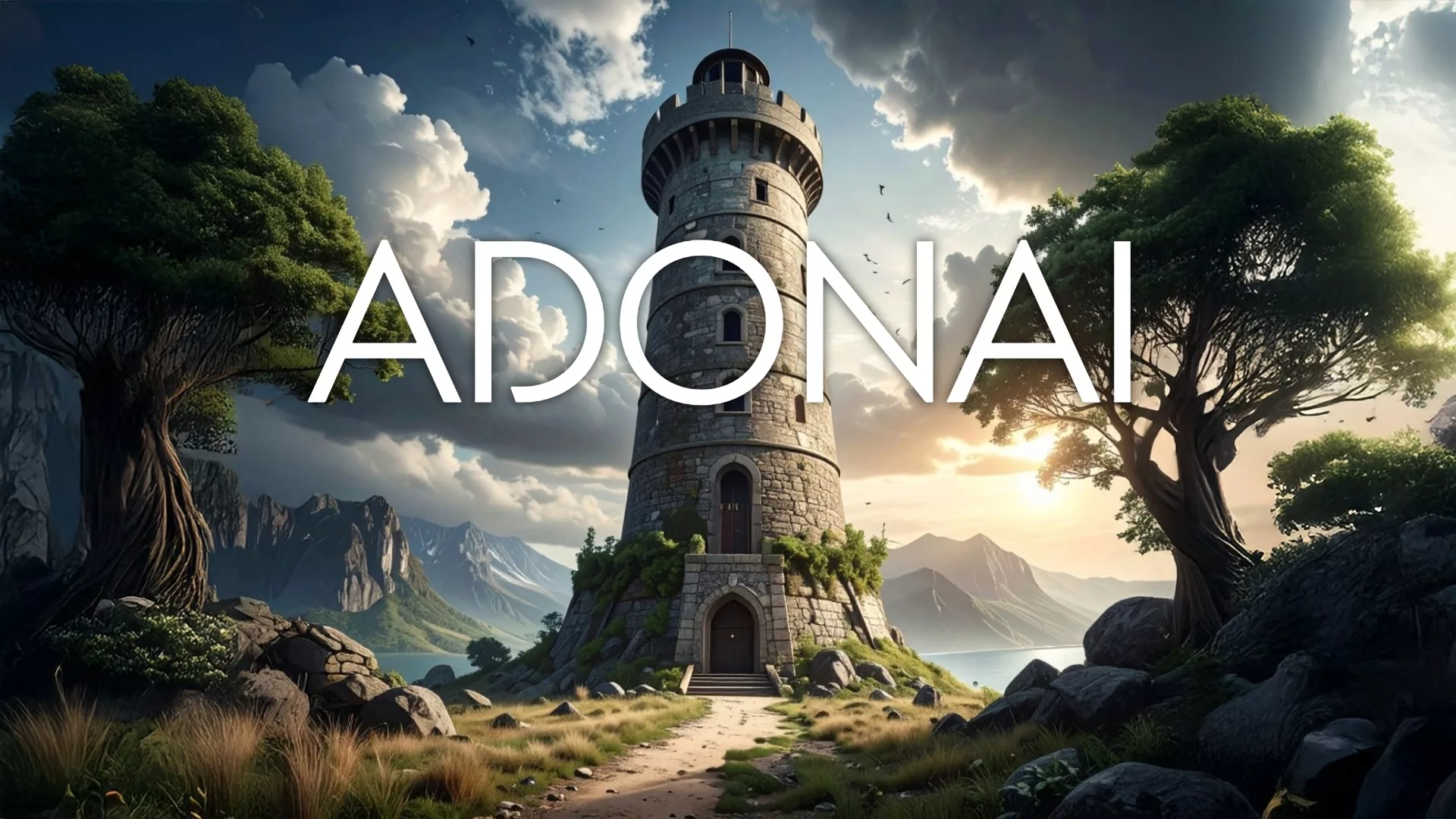
- “Strong Tower”: This is depicted as a colossal, unshakeable fortress from the ancient world, representing absolute refuge and tangible security in a dangerous world.
- “The Name of the Lord”: This is not a password but a concise expression of everything God is, encompassing His character (compassionate, gracious, slow to anger, abounding in love and faithfulness, as described in Exodus 34:6-7), His infinite power, unwavering love, absolute faithfulness, and omnipresence. It represents the totality of the Divine made accessible.
- “Run to It”: This signifies an urgent, wholehearted, and conscious decision to trust in God, to pray earnestly, and to rely on His strength as a primary and constant recourse, not just a last resort.
- “Safe”: This promise extends beyond physical safety to a deeper, more profound spiritual sanctuary, a peace that transcends understanding, and an unshakeable well-being that permeates the soul, offering protection from unseen spiritual adversaries and eternal security in God’s love.
- Contrast with Proverbs 18:11: This verse states, “The rich man’s wealth is his strong city,” highlighting the fragility and illusory nature of worldly defenses compared to God’s steadfastness.
III. A Journey Through Time: Historical Context
- Book of Proverbs: It is an anthology of ancient Israelite wisdom, compiled over centuries, with King Solomon likely initiating the collection around 1015-975 B.C.
- Ancient World Imagery: Literal strong towers were essential for survival during times of war and invasion, providing vital refuge. The imagery would have had immediate and visceral resonance.
- “Righteous”: Historically, this referred to those in right standing with God and living according to the covenant. In Christianity, righteousness is received as a gift through faith in Jesus Christ, not earned through perfect adherence to rules.
IV. Your Modern-Day Refuge: Contemporary Applications
- “The Name of the Lord” Today: It continues to represent the totality of God’s being—His boundless love, infinite mercy, and ultimate authority—as an available shelter.
- Jesus as the Strong Tower: Contemporary interpretations often identify Jesus as the ultimate embodiment of this strong tower, the source of salvation, comfort, and hope. “Running to the tower” is synonymous with running to Christ.
- Relevance of Earthly Wealth vs. Divine Security: The contrast with Proverbs 18:11 remains relevant in a consumerist world that equates happiness with material possessions. The proverb challenges individuals to examine where they truly place their trust.
- Practical Application: This involves cultivating active faith through consistent prayer, scripture engagement, finding solace in God’s unchanging character, and nurturing a supportive community of believers. It is an active pursuit of connection with the Divine.
V. Clarifying Questions and Interpretations
- Literalism: “Running to it” is a figurative expression of faith, prayer, and devotion, not a physical sprint.
- Promise vs. Suggestion: While Proverbs generally offer wisdom, this specific proverb is often considered a promise of deep spiritual security for those aligned with God’s will. This doesn’t guarantee immunity from hardship but implies ultimate safety within God’s plan.
- Exclusivity of “Righteous”: Modern interpretations emphasize that righteousness is a gift through faith, making the tower welcoming to all who seek refuge.
- “Strong Tower” Variations: Minor linguistic differences in translations (e.g., “fortified tower,” “high tower”) do not alter the core message of God as an impenetrable defense.
- Nature of “Safe”: The consensus leans towards spiritual and eternal security, an elevated perspective that allows navigating dangers with peace and confidence, a sense of being “set aloft.”
VI. Navigating Tomorrow: Future-Proof Wisdom
- Current Global Instability: The world faces geopolitical instability, climate change concerns, anxieties about artificial intelligence, job insecurity, mental health crises, and social divisions, increasing the need for a steady anchor.
- Personal Battles: Individuals face fear, anxiety, the search for purpose, building resilience, and maintaining authenticity.
- Modern Theological Perspectives: God is viewed not just as a transcendent refuge but as an active presence within the world. The tower empowers engagement with the world for justice, guided by ethics and compassion, often with Christ as the central figure.
- Postmodern Interpretations: Some postmodern views deconstruct the “tower” concept, envisioning it as a fluid, communal space for solidarity, support, and empowerment for marginalized voices, emphasizing relationality, community, and diverse interpretations of safety.
- Enduring Core Message: Regardless of nuanced interpretations, the promise of finding unwavering stability in God’s character and an unshakeable foundation in a world of shifting sands remains a powerful guide for the future.
VII. Invitation to Run to the Tower
In a world focused on fleeting securities, the proverb offers a radical alternative: true and lasting security is found in God’s unchanging character—an impregnable fortress and unwavering refuge—not in earthly possessions, power, or achievements. Your ultimate safe zone is a Person, and the door is always open.



Leave a Reply