
Bill Gates AI warning has been recently discussed on Late Night With Jimmy Fallon. Based on his statements in interviews and discussions in late March and early April 2025, his perspective can be summarized as follows:

Bill Gates AI Warning: Doctors & Teachers
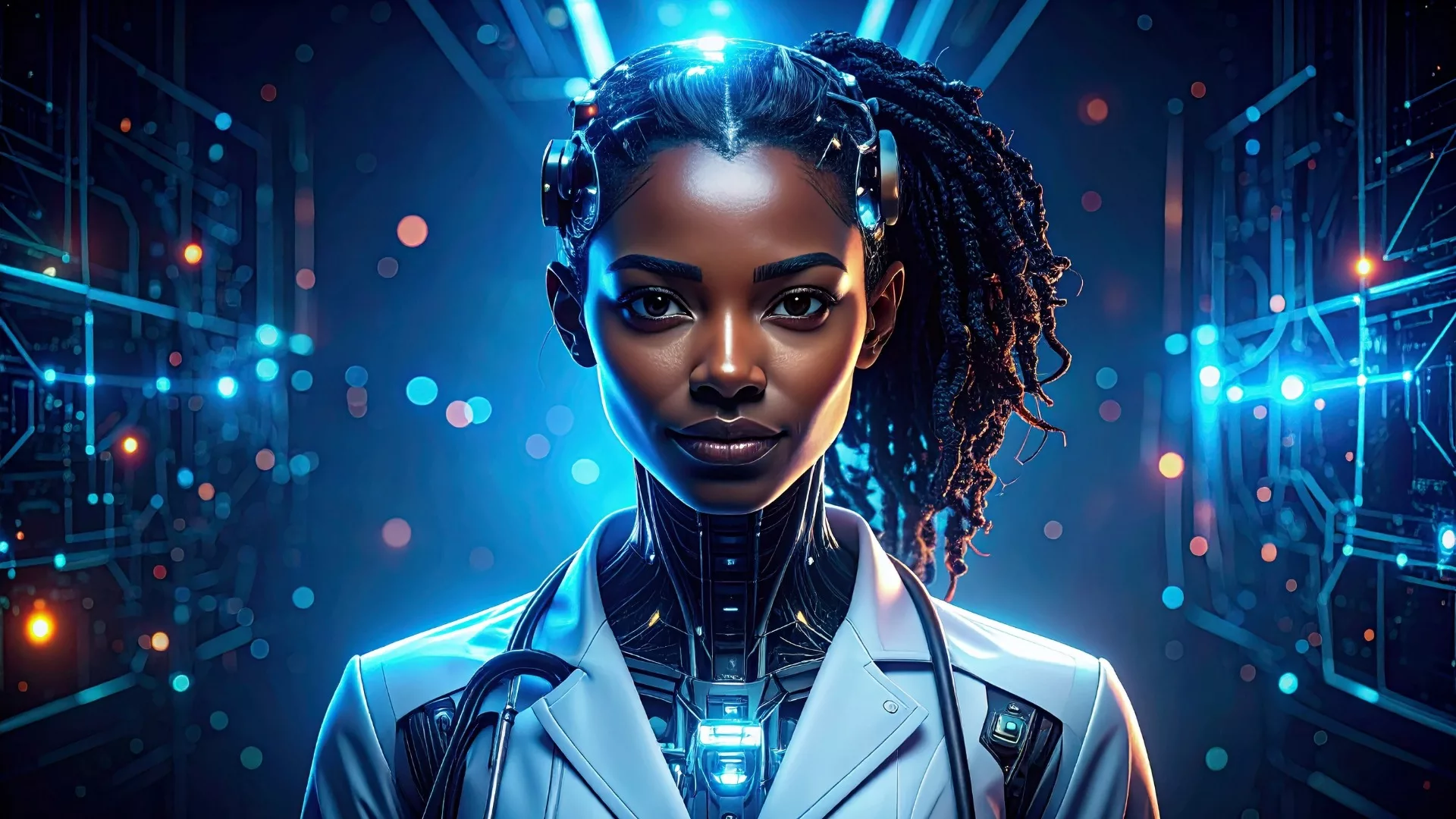
- Significant Displacement: Gates believes that within the next decade (by 2035), AI will advance to a point where humans will not be needed “for most things.”2 He specifically mentioned that AI will be capable of taking over tasks currently performed by doctors, teachers, and other professionals requiring specialized knowledge.3
- “Free Intelligence”: He envisions a future where “intelligence will be free and commonplace.” This means that high-quality medical advice and educational tutoring, which currently rely on scarce human expertise, will become widely accessible through AI.4
- Redefining Work: Gates suggests that the traditional concept of “jobs” is an “artifact of the shortage” of human intelligence and labor.5 As AI becomes more capable, society will need to rethink the role of work and how people find purpose. He even speculated about the possibility of a significantly shorter workweek.6
- Rapid Advancement: Gates has expressed surprise at the speed of AI development, noting how quickly AI models are achieving high levels of performance in areas like biology exams.
- Optimism for Innovation: Despite the potential for job displacement, Gates is optimistic about the overall benefits of AI, particularly in fields like healthcare (e.g., drug discovery, diagnostics) and education (personalized tutoring).7 He believes AI will drive innovation and solve many existing problems.8
- Continued Human Role: While predicting significant automation, Gates also suggests that humans will still have a role in areas where human connection and experience are valued, such as entertainment (e.g., watching humans play baseball).9
Nuances and Counterarguments:
While Gates predicts substantial changes, it’s important to consider other perspectives and nuances:
- Pace of Adoption: The actual pace at which AI is integrated into various professions and the public’s acceptance of AI in critical roles like healthcare and education will influence the timeline of these changes. Human trust and the need for verification might slow down adoption.
- Complexity of Human Roles: Some argue that professions like doctors and teachers involve significant emotional intelligence, critical thinking in unpredictable situations, and nuanced judgment that AI may struggle to replicate fully.10 For example, in medicine, the ability to empathize with patients and make decisions based on incomplete information is crucial. Similarly, teaching involves inspiring and motivating students in personalized ways.
- Job Creation: Historically, technological advancements that have displaced jobs have also led to the creation of new industries and roles.11 It is possible that the rise of AI will generate entirely new types of jobs that we cannot currently envision. Some experts believe AI will augment human capabilities rather than entirely replace them in many fields.12
- Ethical Considerations: The widespread use of AI in critical areas raises ethical concerns about bias in algorithms, data privacy, and accountability, which will need to be addressed carefully.13
- Skills Adaptation: Even if some jobs are automated, the demand for skills related to developing, implementing, and maintaining AI systems will likely increase. Workers may need to adapt and acquire new skills to remain relevant in the job market.14
Conclusion:
Bill Gates’ statements highlight the potentially transformative impact of AI in the coming decade, suggesting significant changes in the labor market and the nature of work.15 While his predictions of widespread replacement in fields like medicine and education are noteworthy, the actual outcome will likely depend on a complex interplay of technological advancements, societal acceptance, ethical considerations, and the adaptability of the workforce. It is a topic of ongoing discussion and research among experts in technology, economics, and social sciences.